

What are the symptoms of atopic ECZEMA?
Atopic eczema is characterized by symptoms such as an itchy, red rash, dry and scaly skin, and sometimes swollen or thickened skin. This chronic condition can lead to painful cracks and fissures, and in severe cases, even blistering. Symptom severity can vary depending on various factors, making it important to tailor individual treatments to the patient’s needs.

Burning or itchy skin

Red and inflamed skin
What are the causes?
Atopic eczema is associated with an imbalance in the skin microbiome, characterized by reduced microbial diversity and an overgrowth of Staphylococcus aureus bacteria. Or, to put it simply, there are too many bad bacteria and too few good bacteria on the skin.
The exact cause of atopic dermatitis is unknown. Several factors play a role:
- Impaired skin barrier function: this makes the skin more permeable to irritants.
- An overactive immune system, causing the skin to react more strongly to various stimuli.
- Environmental factors such as allergens, irritants, climate change, and stress
- Skin care products may contain ingredients and preservatives that irritate the skin
- Genetic factors clearly play a role: parents with eczema are more likely to have a child with eczema.
What are the solutions?
The treatment of atopic eczema involves managing symptoms and preventing flare-ups. This may include using moisturizing creams to keep the skin hydrated, avoiding known allergens and irritants—such as certain soaps and detergents—and reducing stress. In addition, medicinal treatments such as corticosteroid creams, immunomodulatory creams, and antihistamines may be prescribed to reduce inflammation and itching. In more severe cases, systemic medications, light therapy, or immunotherapy may be considered.
In addition to the treatments mentioned, it is important to note that atopic eczema is also caused by a disruption in the skin’s barrier function and dysbiosis in the skin microbiome. As a result, skincare products that respect and support the microbiome—such as microbiome-safe products—can play a beneficial role in the treatment of eczema. Supporting a healthy skin microbiome can help restore the skin’s natural balance and reduce inflammation and irritation.
Proven Effect of BACTERIA
Bacteria have been shown to play a role in treating eczema. Research indicates that restoring a healthy bacterial balance on the skin can help reduce symptoms. Good bacteria, such as certain lactobacilli, can suppress the overgrowth of harmful bacteria, such as Staphylococcus aureus, which reduces inflammation and itching.
BREAK THE VICIOUS CYCLE
In severe cases of eczema, a frustrating “itch-scratch” cycle can develop. The more you scratch, the more you damage the skin barrier, allowing bacteria and allergens to penetrate. This can lead to more inflammation and itching, which in turn leads to more scratching.
Probiotics break the vicious cycle of atopic eczema by helping to repair, strengthen, and protect the skin barrier. These beneficial bacteria reduce inflammation, itching, and redness, thereby alleviating the symptoms of eczema.

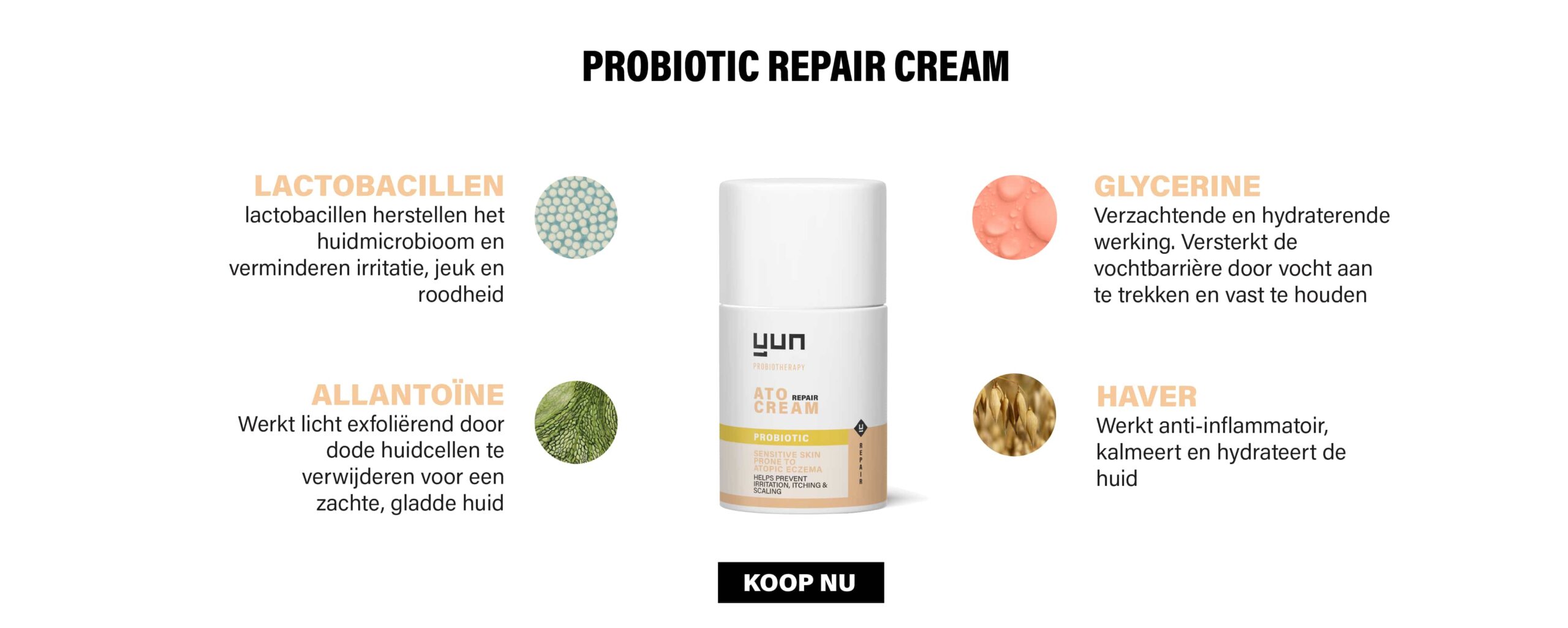
ATO PROBIOTIC REPAIR CREAM
YUN ATO PROBIOTIC REPAIR Cream features a unique, patented encapsulation technique that keeps the bacteria alive and effective. Because many skin problems stem from an imbalance of bacteria on the skin, this cream is perfect for people with sensitive skin. It tackles the problem at its source, helping to break the cycle of recurring symptoms.
The live lactobacilli in the cream suppress the bacteria that cause eczema Staphylococcus aureus and thus help reduce itching, redness, irritation, and dryness.
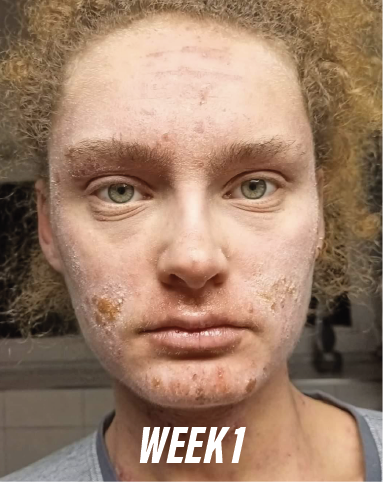
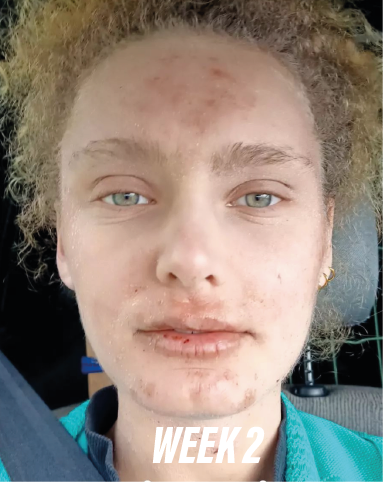

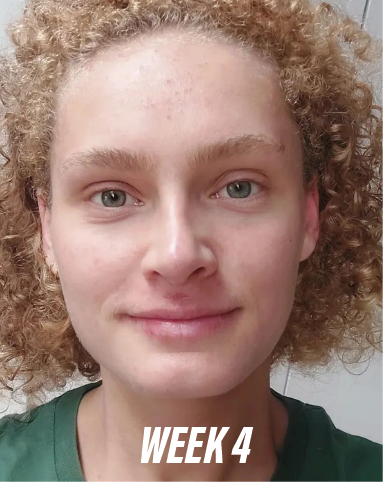
This cream is a miracle… I switched from using some heavy products… It got worse over the years. In just one week, the YUN cream made me feel normal again—something I hadn’t experienced in over a year! Thank you!
FELICIA G.


